

A phishing email can pass SPF, DKIM and DMARC checks.
These three email security checks help verify that an email was sent through systems authorised by the sending domain.
But they don't verify whether the sender is trustworthy.
A scammer can register a lookalike domain, configure SPF, DKIM and DMARC correctly, and send phishing emails that pass all three checks.
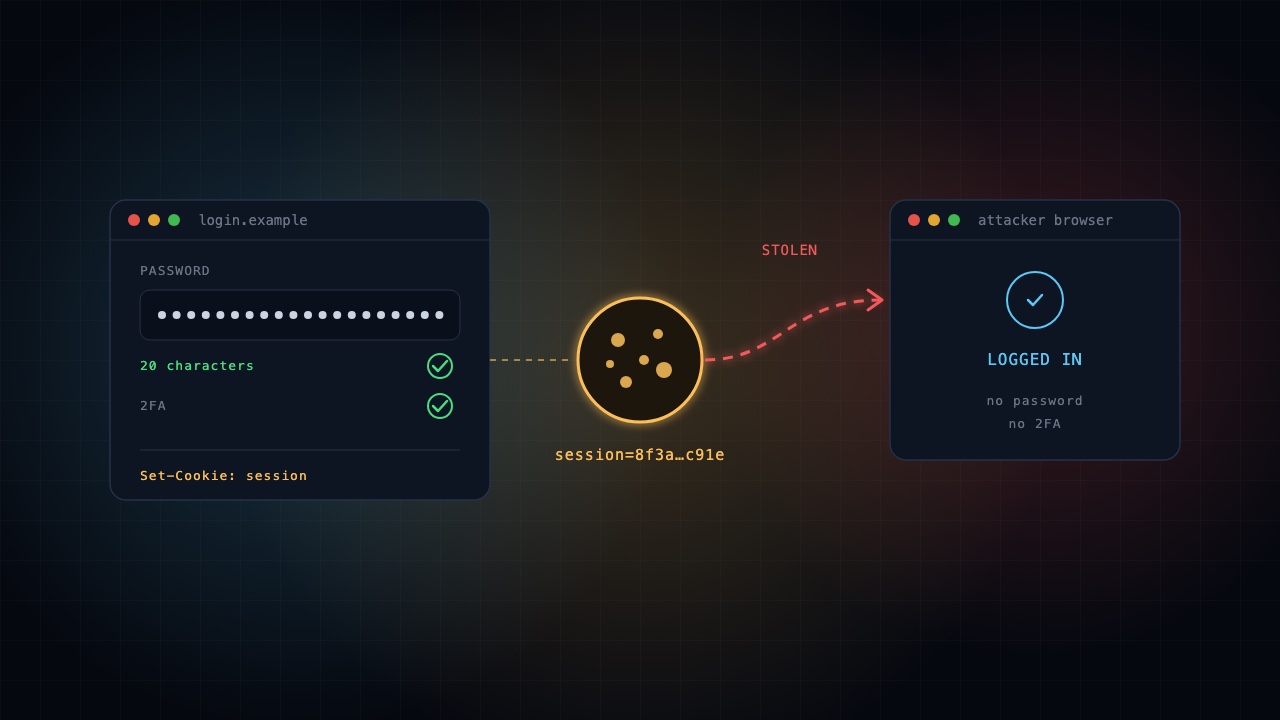
Even emails from a genuine but compromised account can pass.
3 practical checks
- Check the actual sender domain:
example.comis notexamp1e.com(number 1 instead of letter l). - Don't trust authentication alone: SPF, DKIM and DMARC passing doesn't mean the email is safe.
- Verify unusual requests: Open the company's website directly or contact the sender through a known channel.
The takeaway: An authenticated email can still be a phishing email.
Build ➜ Hack ➜ Investigate ➜ Secure ➜ Audit
Master the complete cyber lifecycle with the ASCL Certified Cyber360 Professional course.
Explore the Cyber360 course