
Forensics, Investigation, Security & Hacking
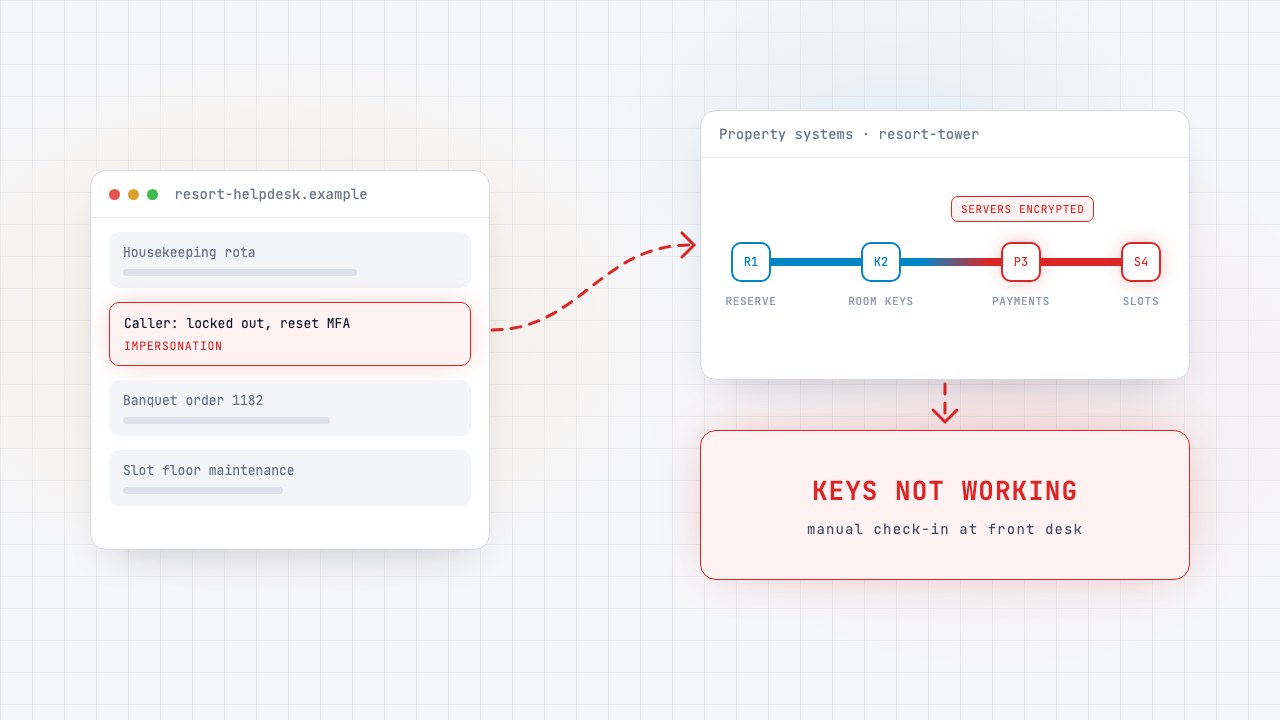
Cyber Security for Hotels and Casinos: Threats, Case Studies and a Practical Defence Framework
Why hotels and casinos are a prime target, where they are exposed, what attacks from Marriott to MGM and Station Casinos have taught us and how to build a practical defence.
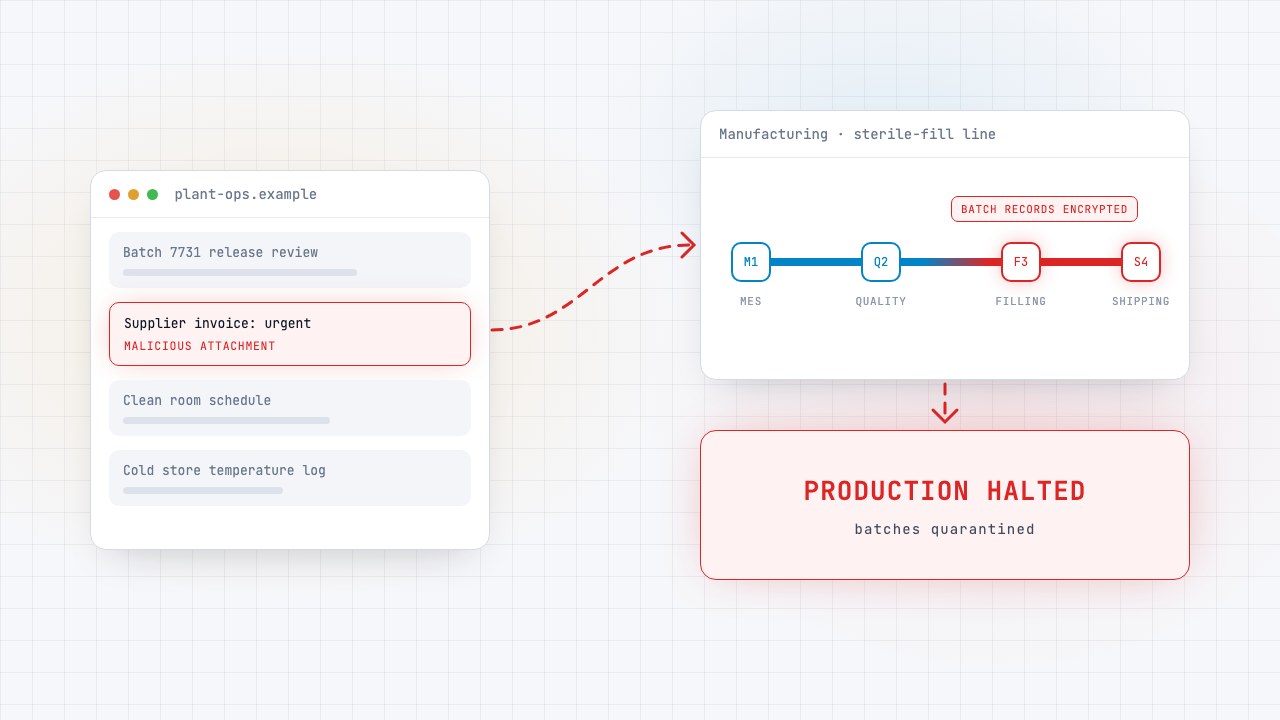
Cyber Security for Pharmaceutical Companies: Threats, Case Studies and a Practical Defence Framework
Why pharmaceutical companies are a prime target, where they are exposed, what attacks from Merck to Cencora and West Pharmaceutical have taught us and how to build a practical defence.
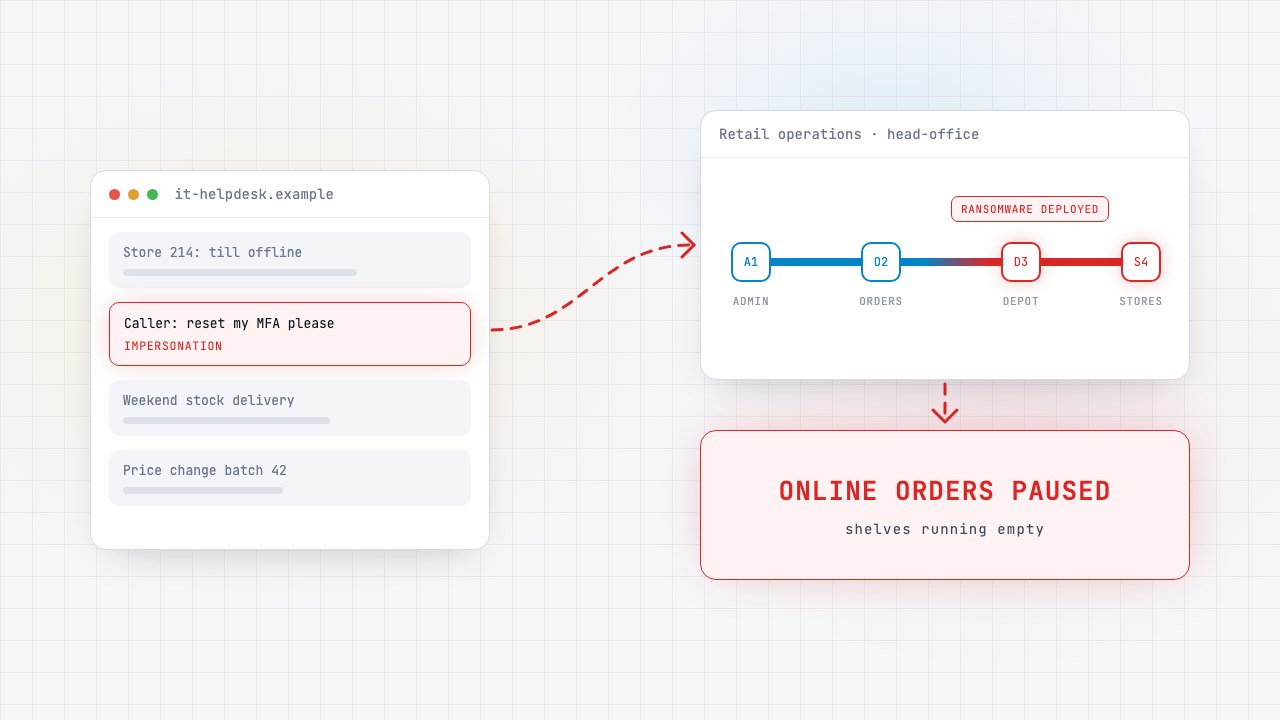
Cyber Security for Retailers: Threats, Case Studies and a Practical Defence Framework
Why retail is a prime target, where retailers are exposed, what attacks from Target to M&S and the French supermarket fridge hack have taught us and how to build a practical defence.
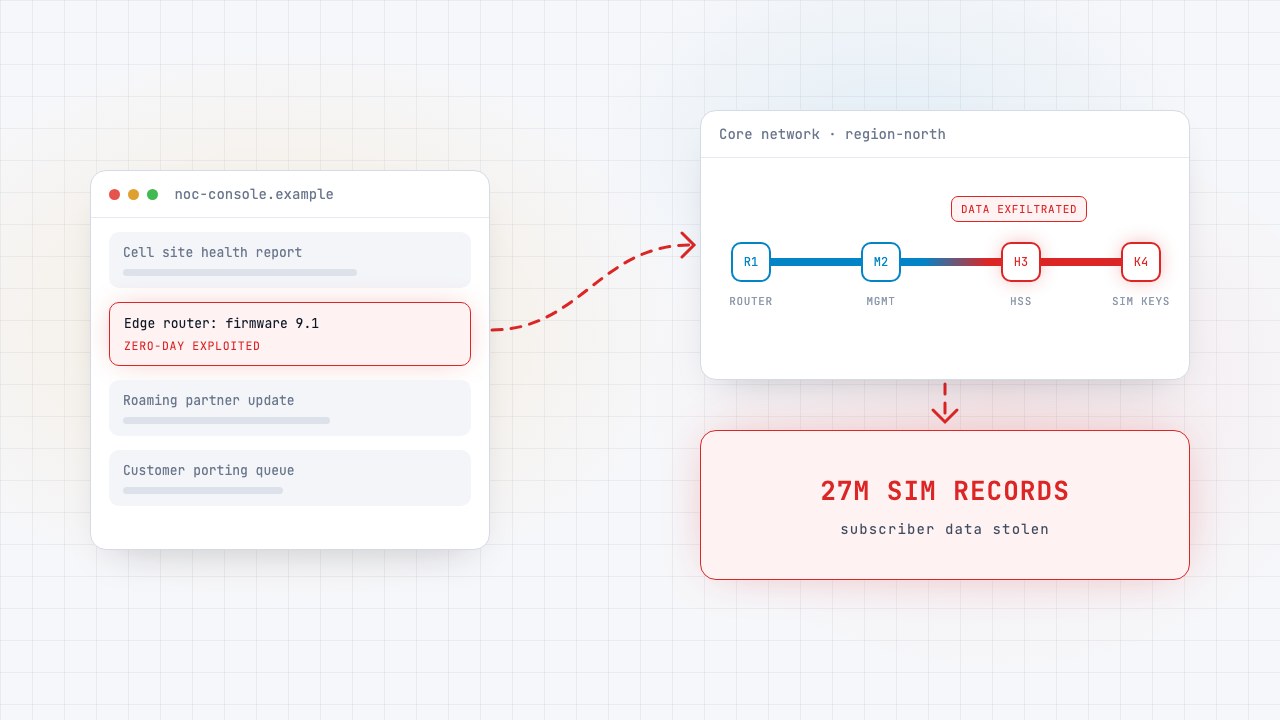
Cyber Security for Telecom Companies: Threats, Case Studies and a Practical Defence Framework
Why telecom is a prime target, where operators are exposed, what attacks from Salt Typhoon to SK Telecom and Singapore's telcos have taught us and how to build a practical defence.
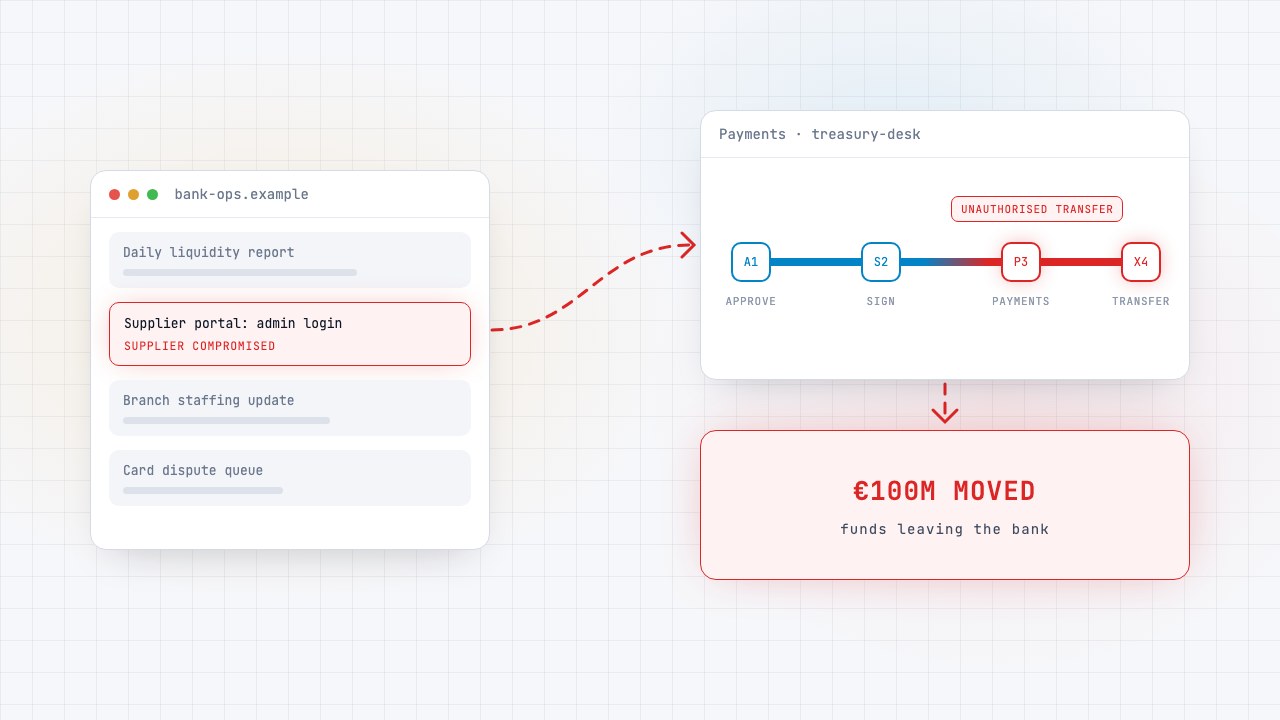
Cyber Security for Banks: Threats, Case Studies and a Practical Defence Framework
Why banks are a prime target, where they are exposed, what attacks from Bangladesh Bank to Binance and Crédit Mutuel Arkéa have taught us and how to build a practical defence.
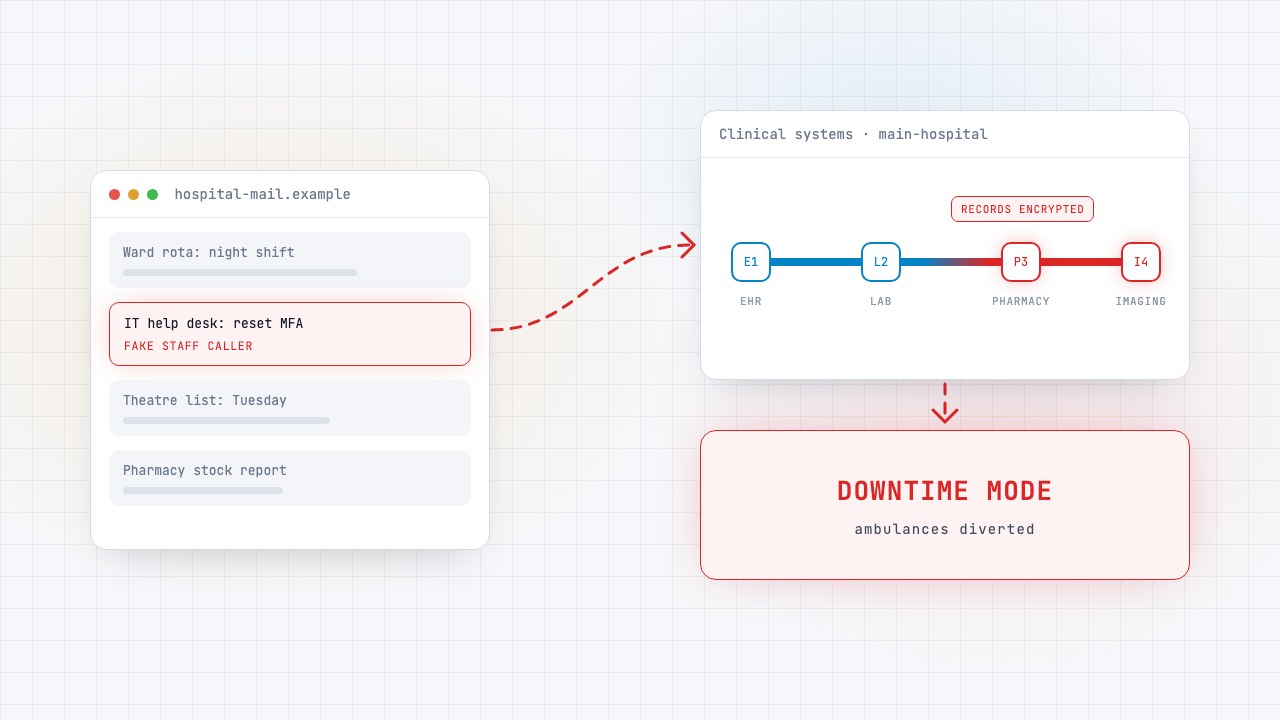
Cyber Security for Hospitals and Healthcare: Threats, Case Studies and a Practical Defence Framework
Why healthcare is a prime target, where hospitals are exposed, what attacks from WannaCry to Change Healthcare and Synnovis have taught us and how to build a practical defence.
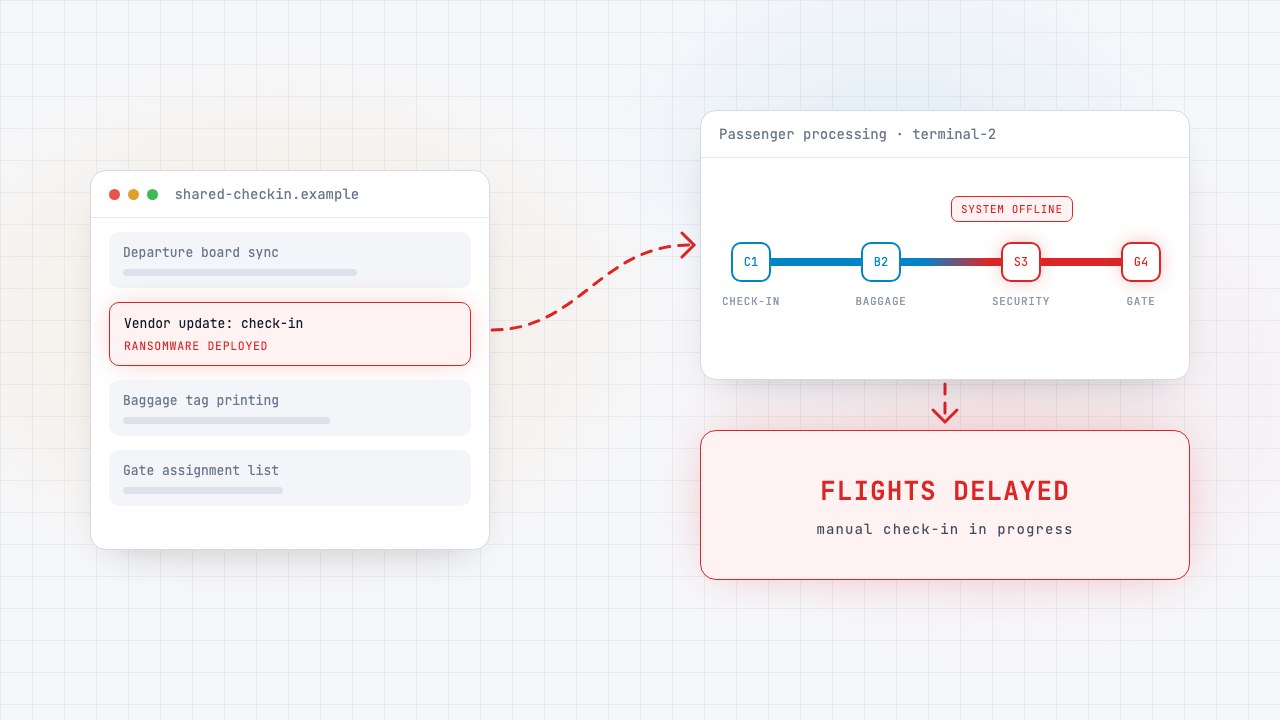
Cyber Security for Airlines and Airports: Threats, Case Studies and a Practical Defence Framework
Why aviation is a prime target, where airlines and airports are exposed, what attacks from British Airways to Collins Aerospace have taught us and how to build a practical defence.
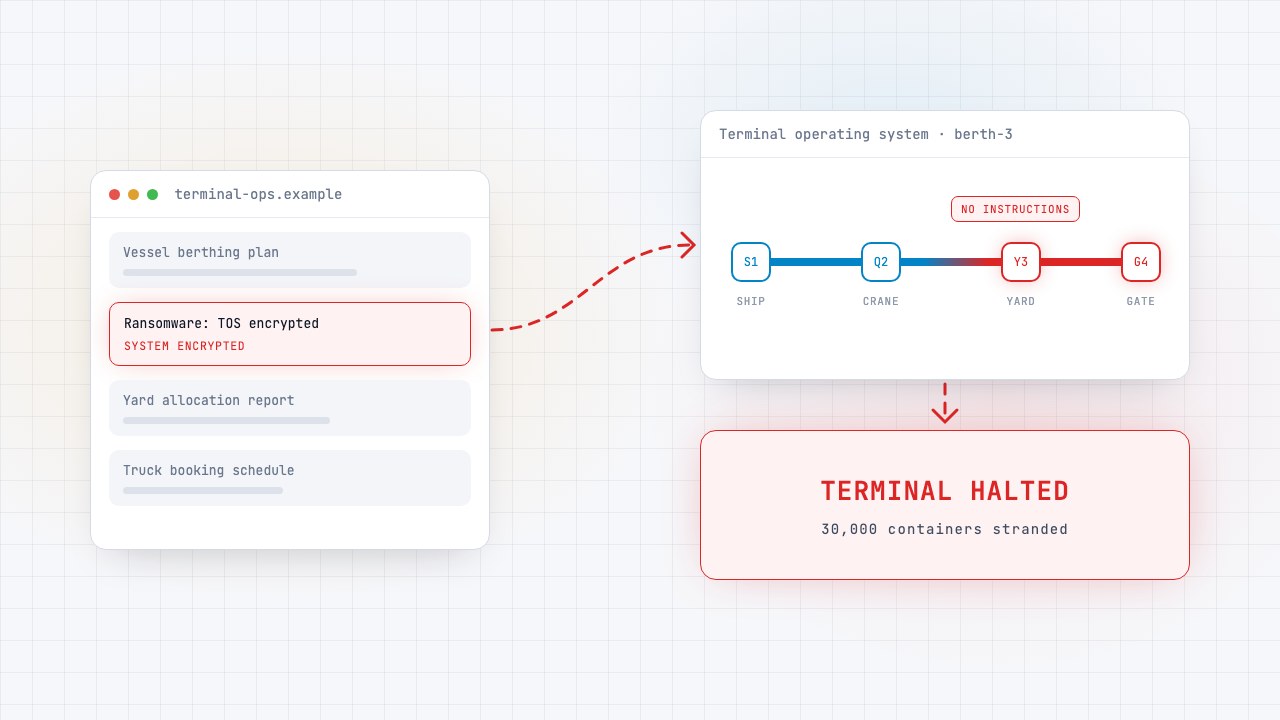
Cyber Security for Ports and Shipping: Threats, Case Studies and a Practical Defence Framework
Why ports and shipping are a prime target, where the industry is exposed, what real attacks from Maersk to Tanjung Pelepas have taught us and how to build a practical defence.
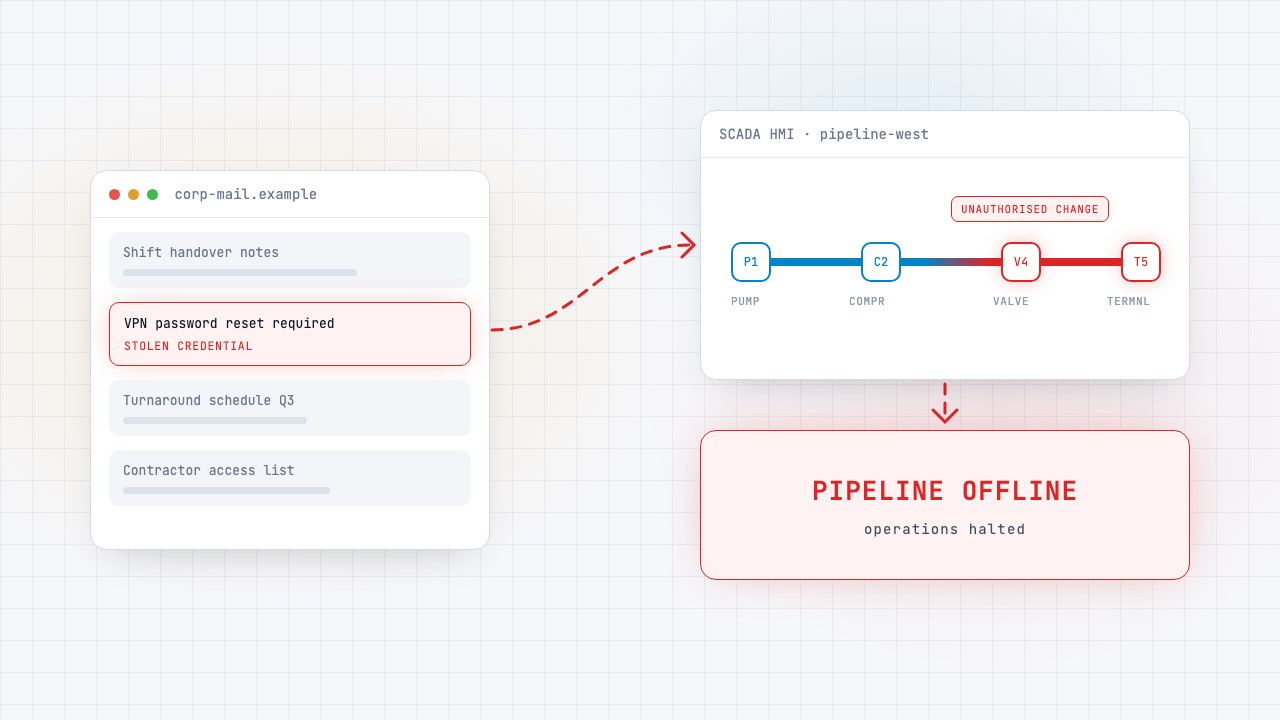
Cyber Security for Oil Companies: Threats, Case Studies and a Practical Defence Framework
Why oil and gas is a prime target, where the industry is exposed, what real attacks have taught us and how to build a practical defence.
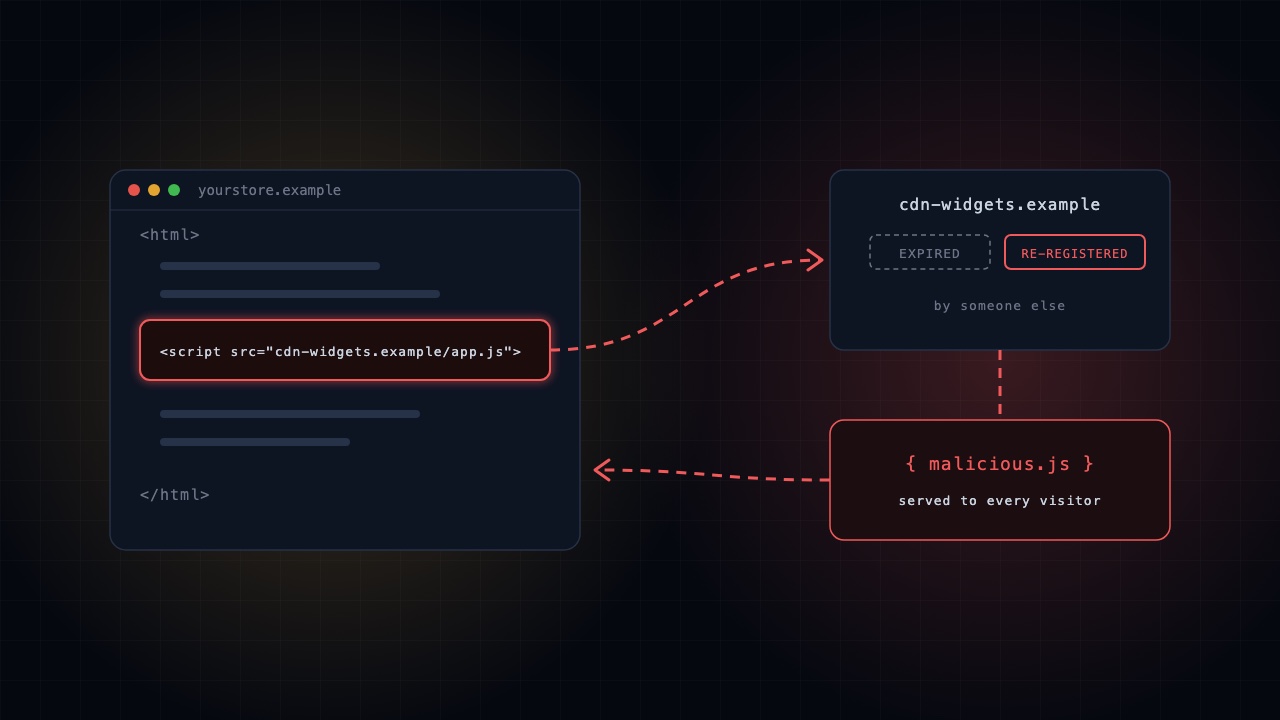
An expired domain can compromise a perfectly secure website
If your website loads a script from a third-party domain that expires, a hacker can register it and start serving malicious JavaScript.
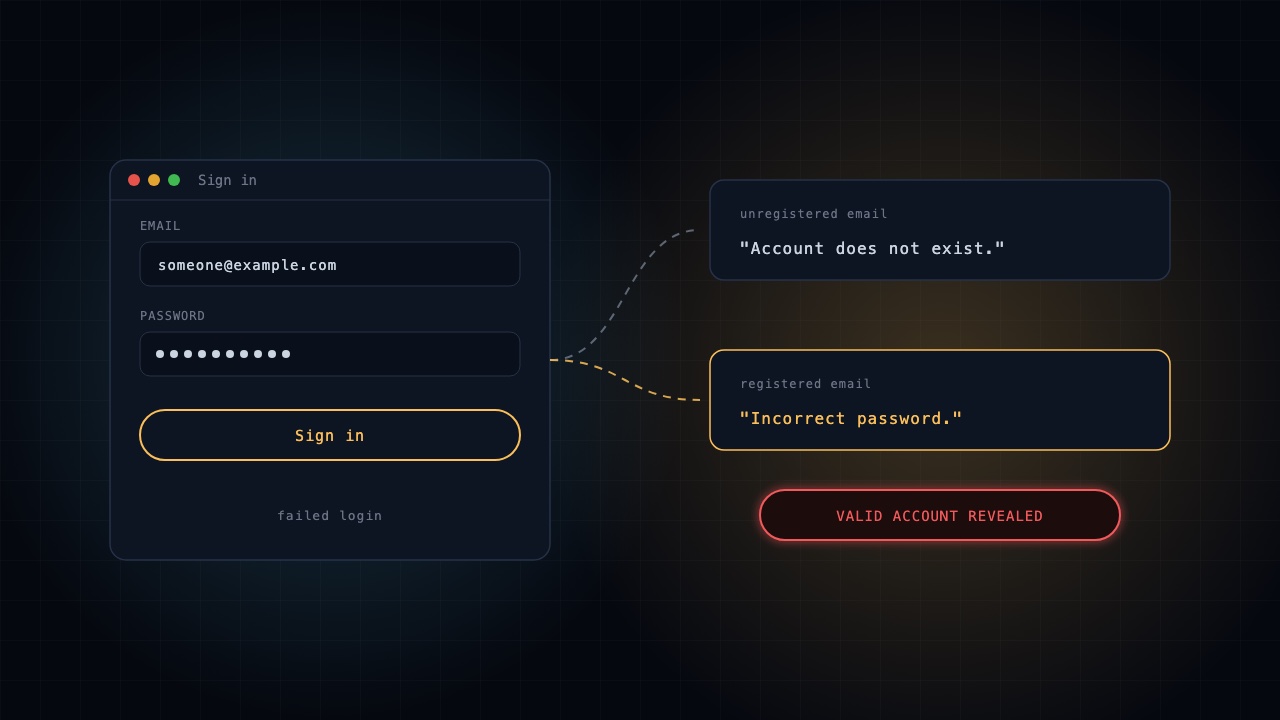
A failed login can reveal whether an account exists
Different error messages for registered and unregistered email addresses let attackers discover valid accounts. This is called username enumeration.

A screenshot can be genuine and still be misleading evidence
A screenshot can be authentic and unedited, yet its meaning can change significantly depending on the surrounding conversation.
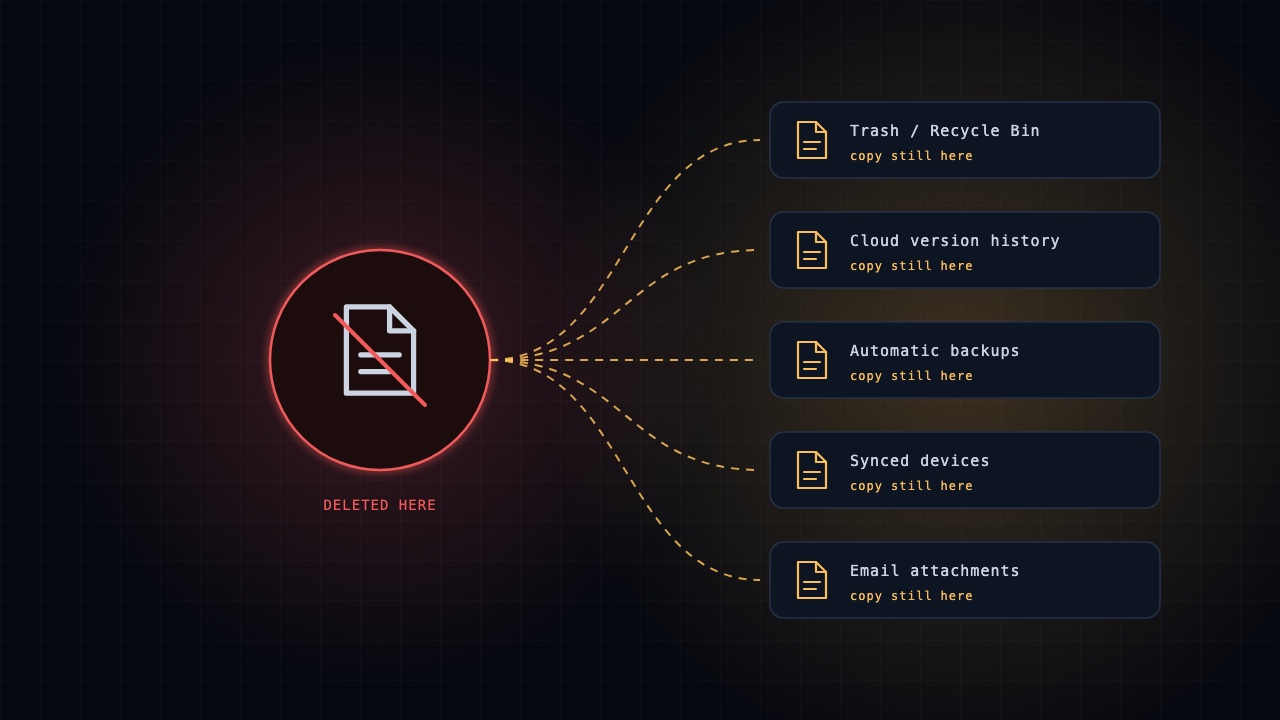
A deleted file may remain accessible long after deletion
Copies may still exist in the Trash, cloud version history, backups, synchronized devices and email attachments.
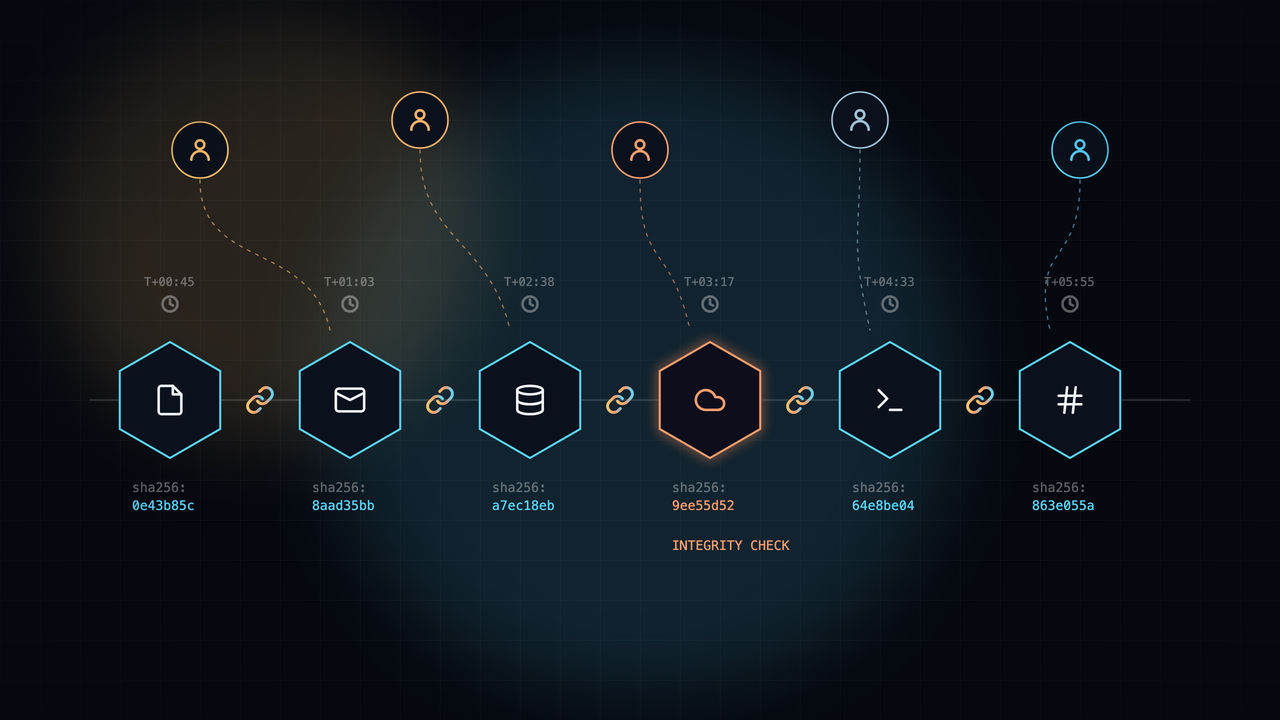
File creation dates don't necessarily tell you when a file was originally created
A file's creation timestamp may describe that particular copy, rather than the original document.
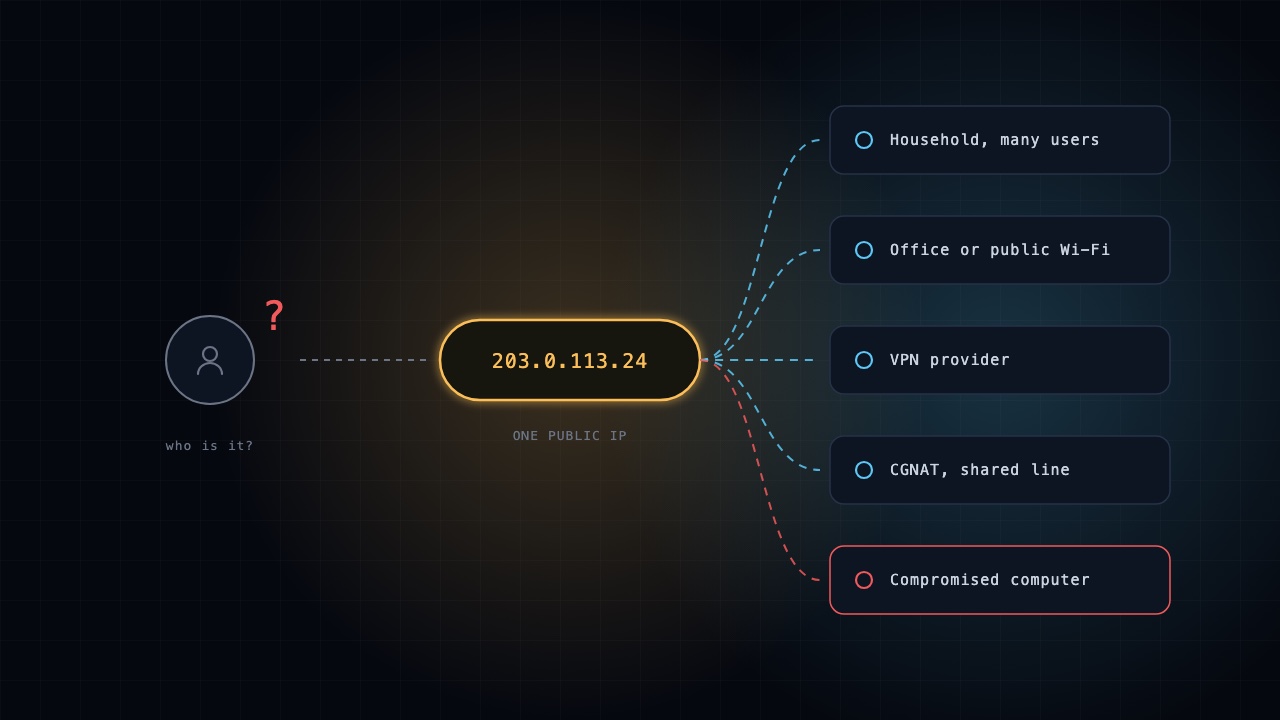
An IP address doesn't identify a person
An IP address could belong to a household, a public Wi-Fi network, a VPN provider, a shared CGNAT connection or a compromised computer.
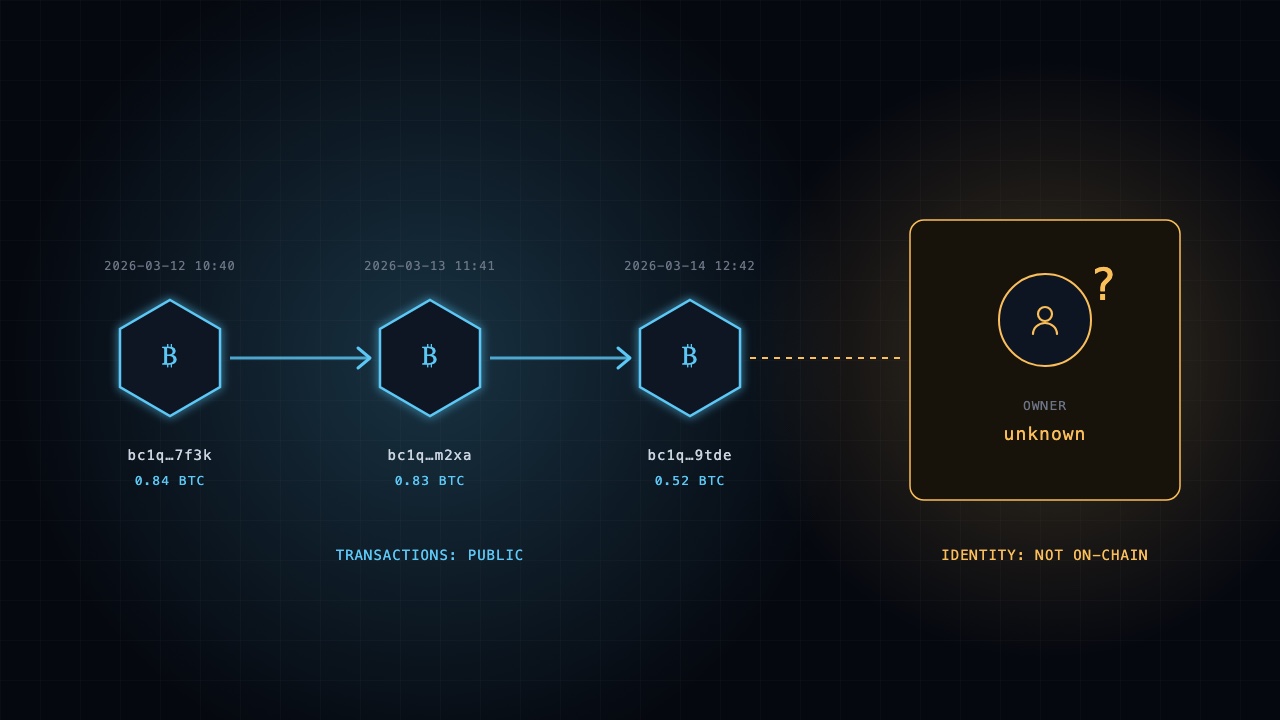
A cryptocurrency wallet address doesn't reveal its owner's identity
You can trace cryptocurrency transactions on public blockchains without knowing who owns the wallet.
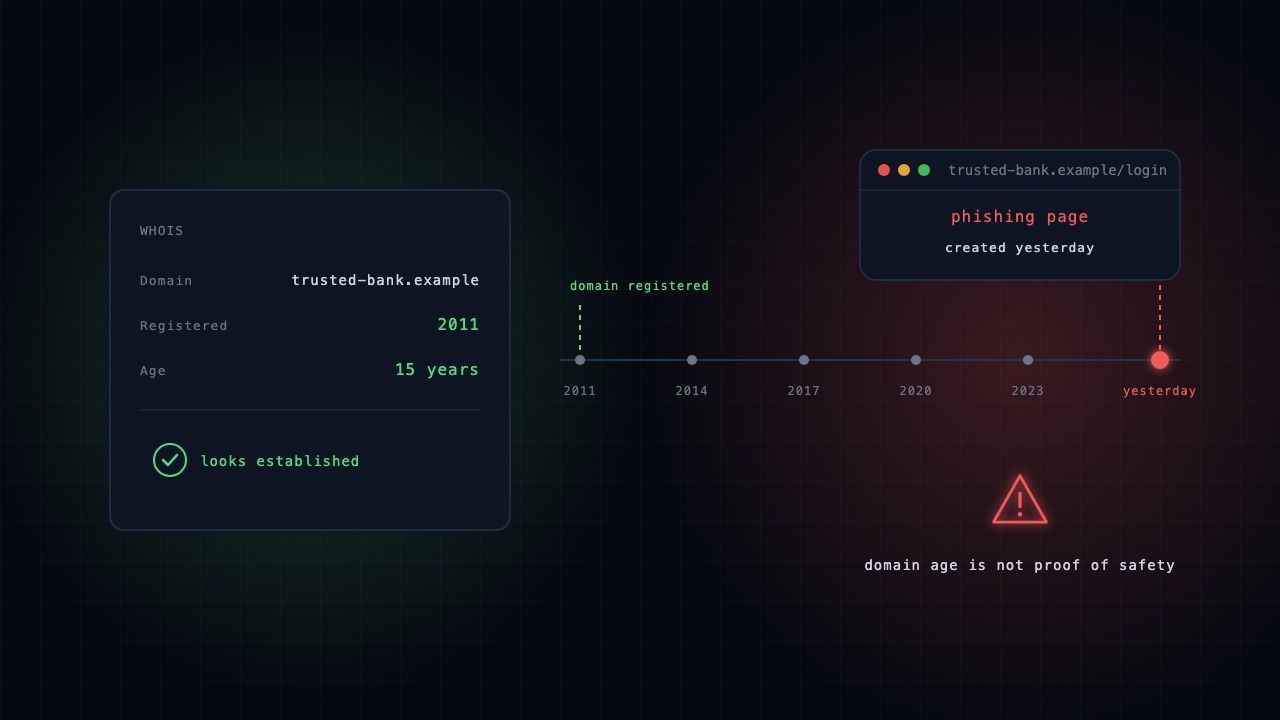
A scam website can be older than the scam itself
A domain registered years ago could be hosting a phishing page created yesterday.
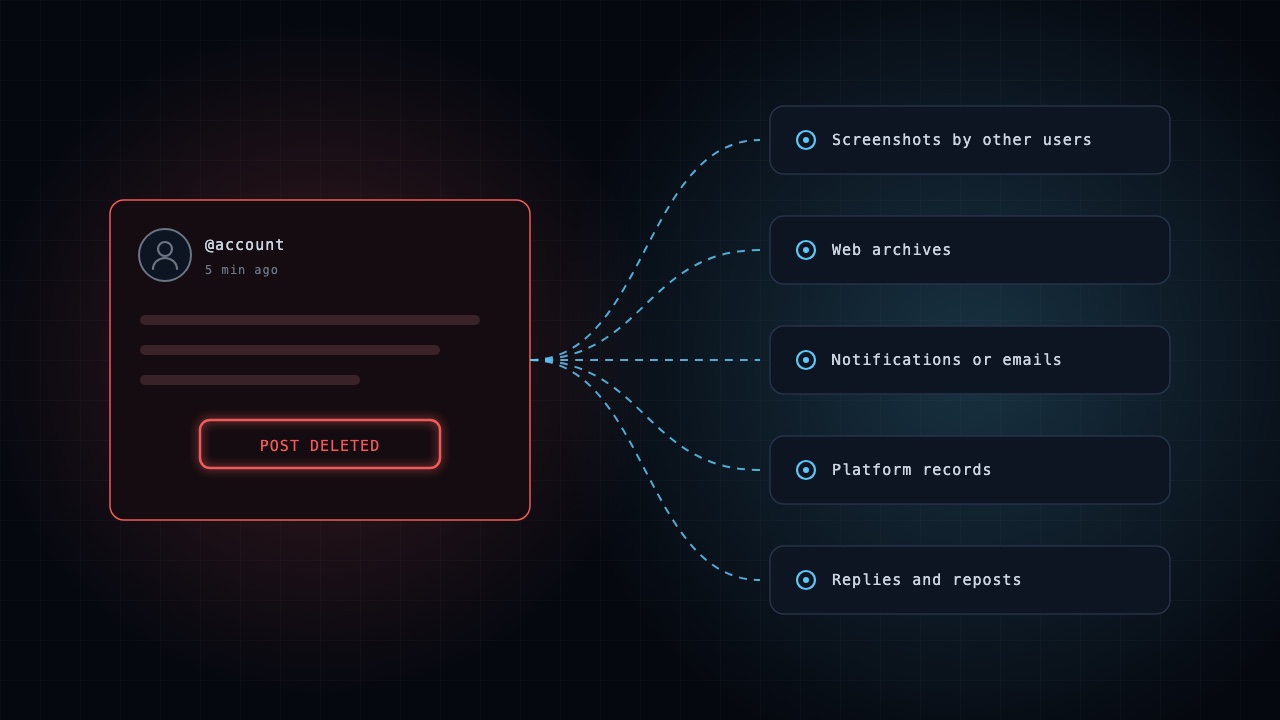
A deleted social media post may still be recoverable as evidence
Evidence of a deleted post may still exist in screenshots, web archives, notifications, platform records and other users' replies.
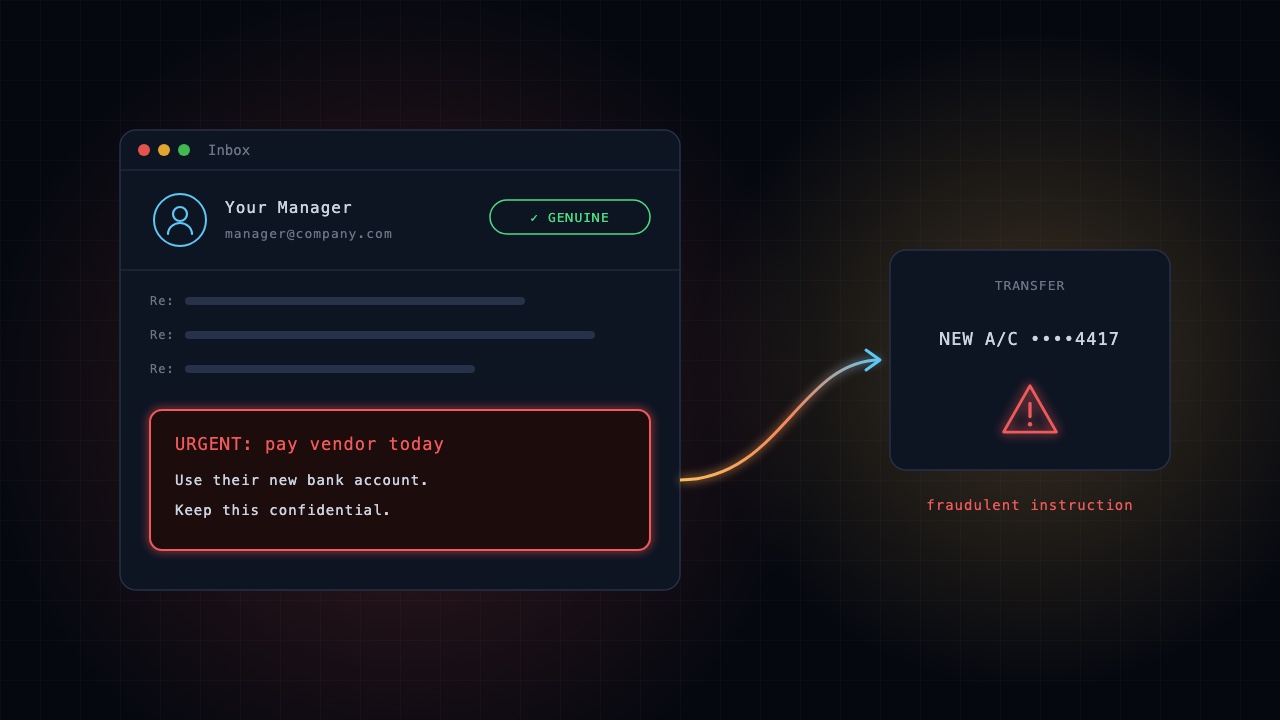
An email from your actual boss can be a scam
Hackers sometimes compromise genuine business email accounts and use them to send fraudulent instructions. This is called Business Email Compromise (BEC).
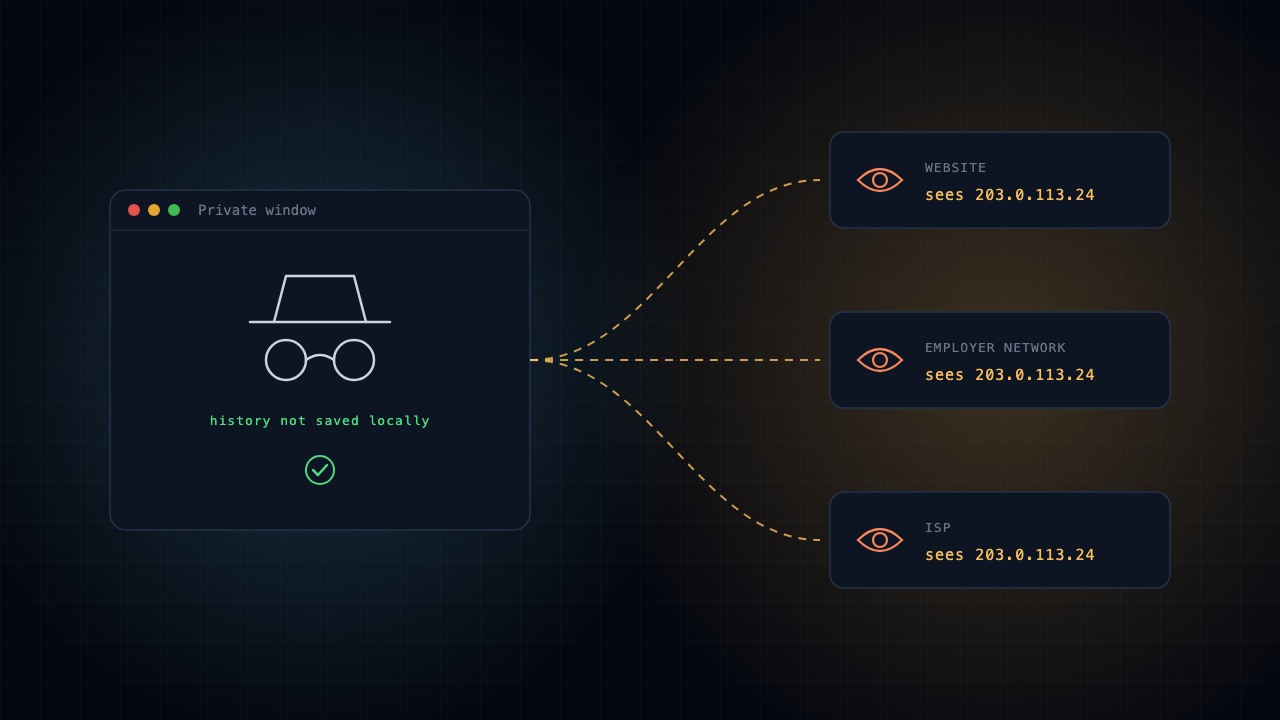
Incognito mode doesn't make you anonymous
Your browser generally doesn't save your history in Incognito mode. But your activity can still be visible to websites, your employer, school or internet service provider.
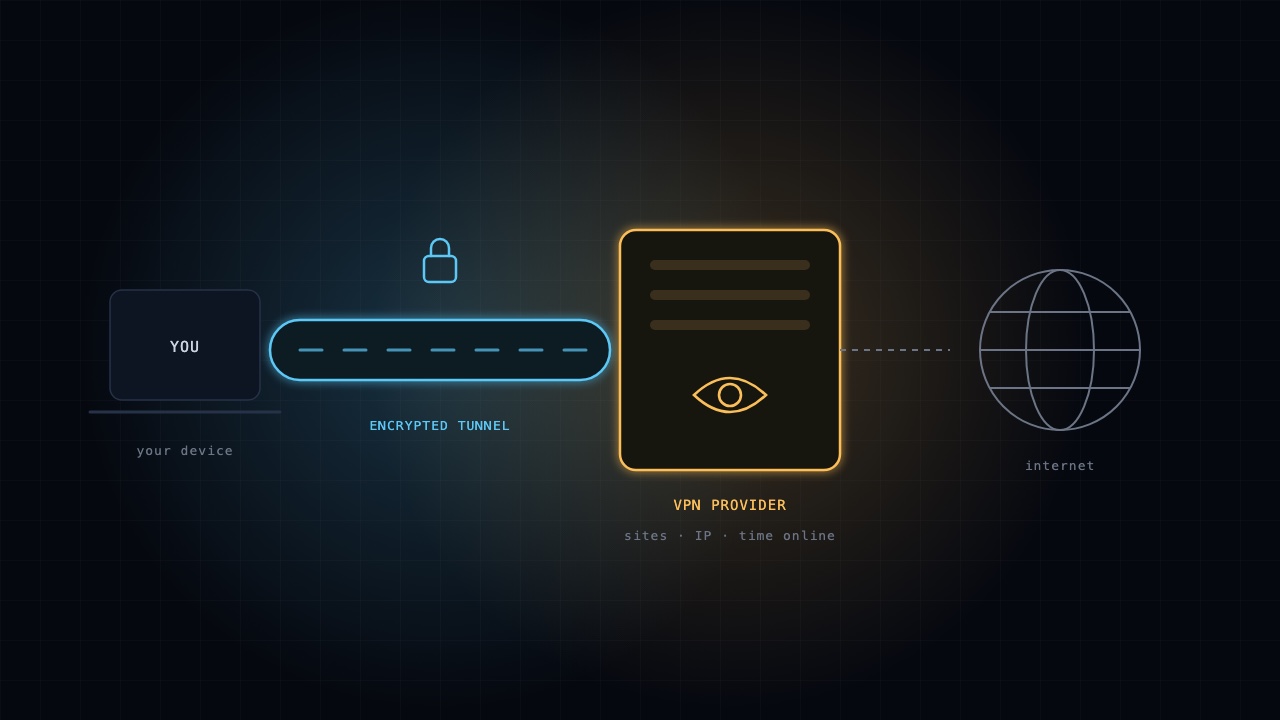
A VPN can make you less secure
A VPN encrypts your internet traffic between your device and the VPN server. But you're placing your trust in the VPN provider.
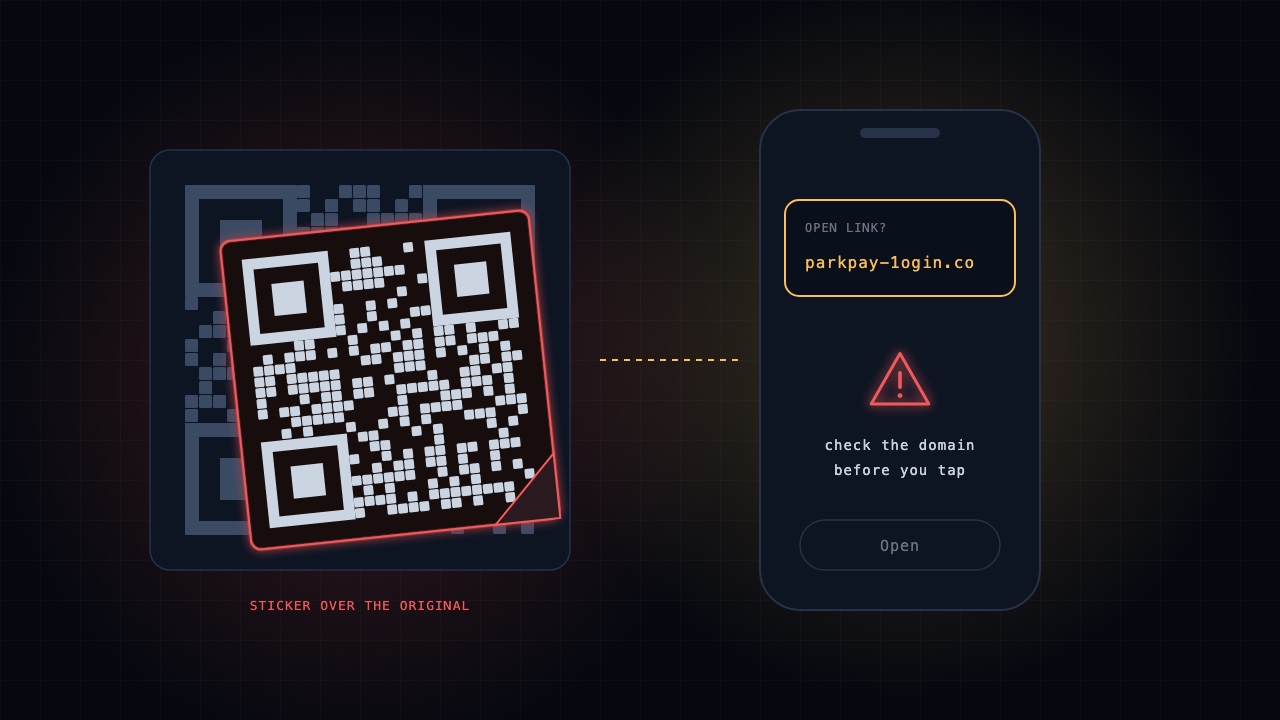
That innocent-looking QR code could steal your login credentials
Scammers can place fake QR code stickers over genuine ones, directing you to phishing websites.
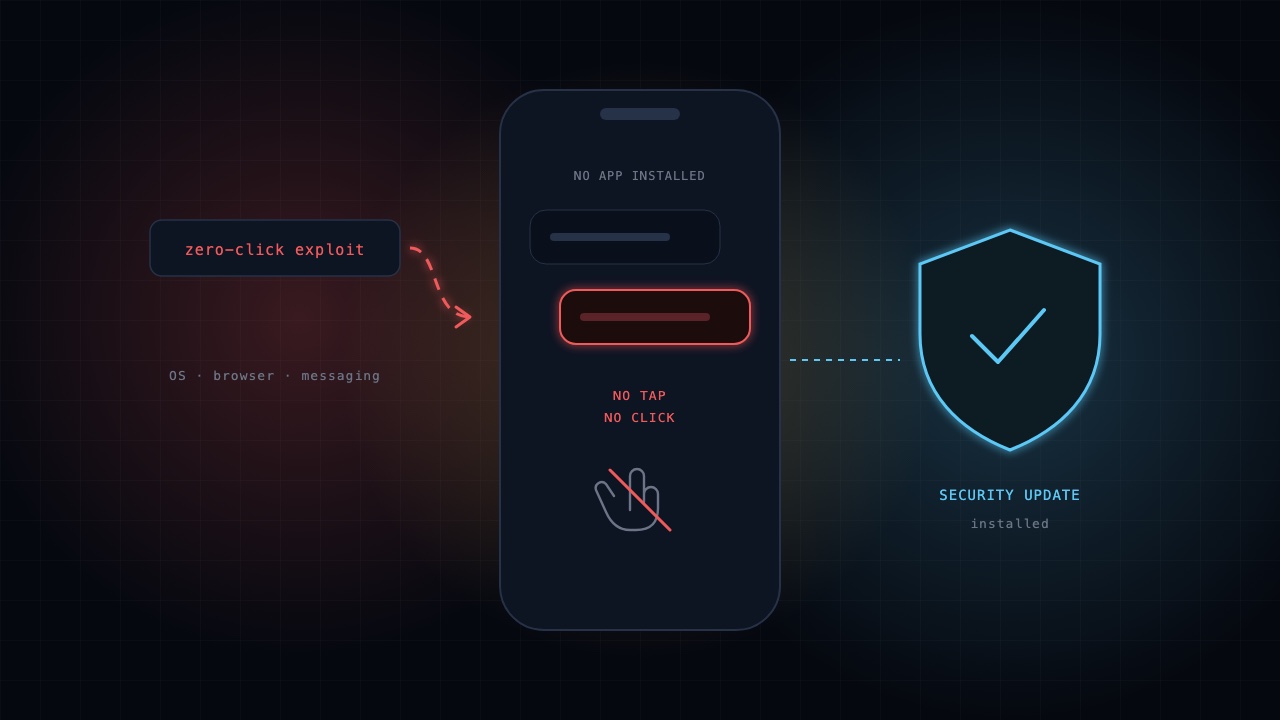
Your phone can be hacked without you installing a single malicious app
Attackers can exploit vulnerabilities in the phone's operating system, browser or messaging software. Some attacks don't even require you to click a link.
A phishing email can pass SPF, DKIM and DMARC checks
These checks verify that an email was sent through systems authorised by the sending domain. They don't verify whether the sender is trustworthy.
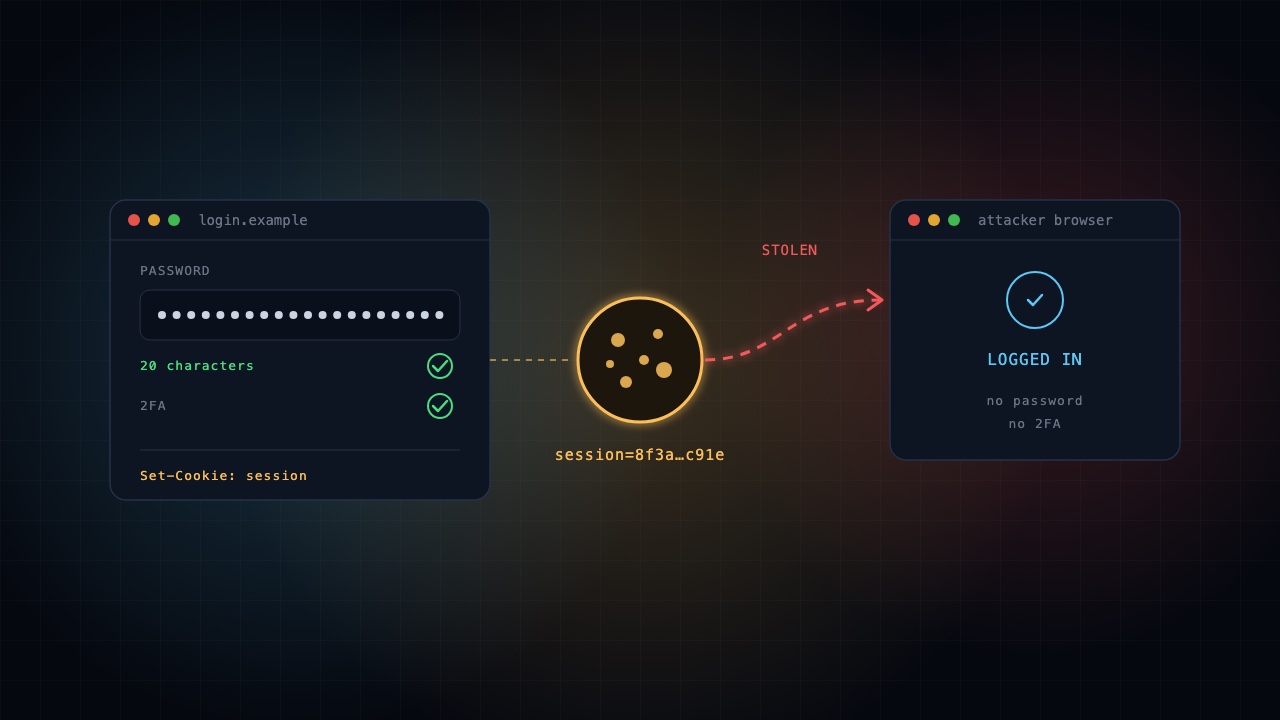
Even a 20-character password can be useless
If a hacker steals your session cookie, they may be able to access your account without your password or two-factor authentication.
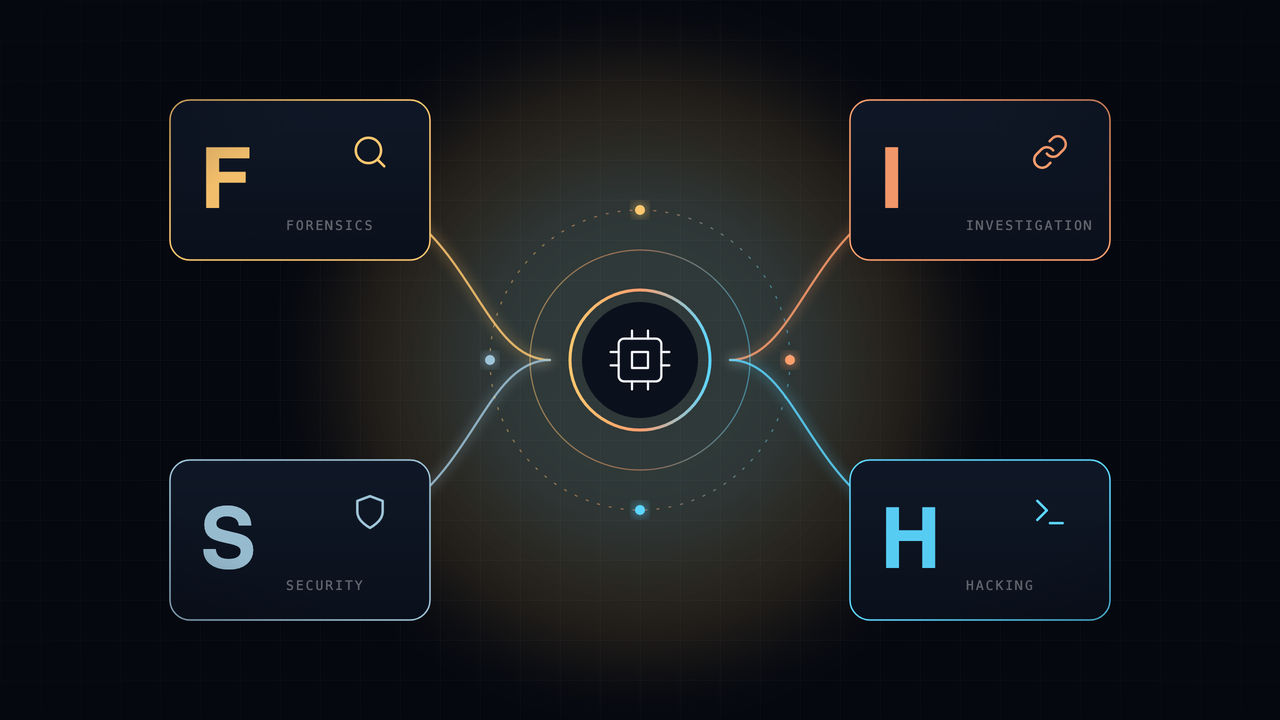
AI is changing the entry-level tech job
A computer science or IT engineering degree provides the foundation. Practical capability across the complete cyber lifecycle will set you apart.
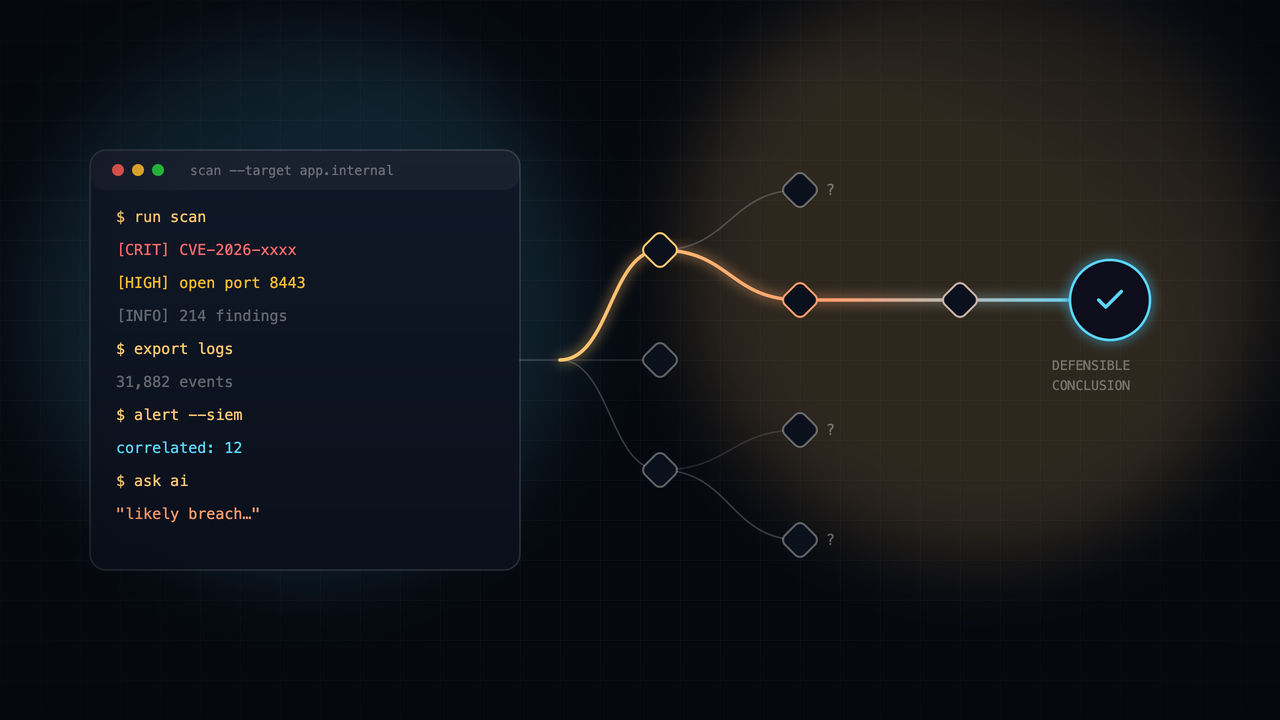
Uptime does not mean your systems are secure
Modern system and cloud administrators must do more than keep infrastructure running. They must understand how it is attacked, investigated, secured and audited.
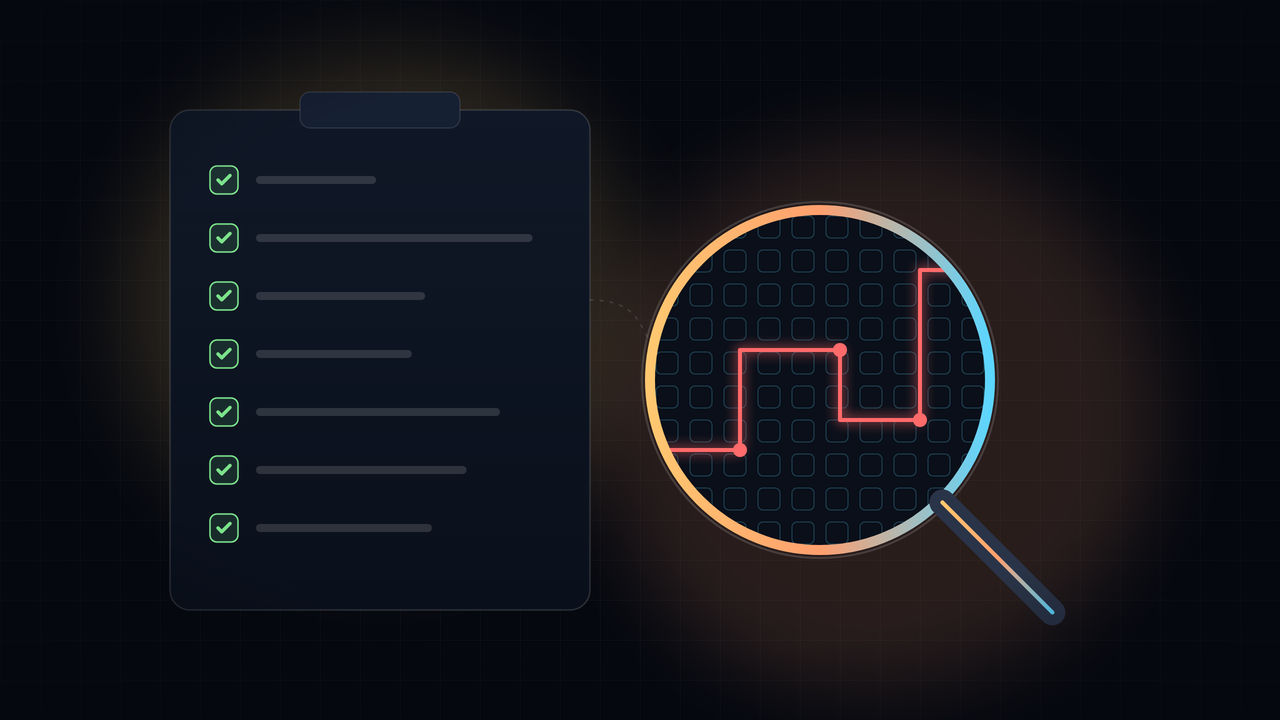
Cyber audits can no longer stop at checklists
A checklist can confirm that a security control exists. It cannot prove that the control will work when an attacker tests it.
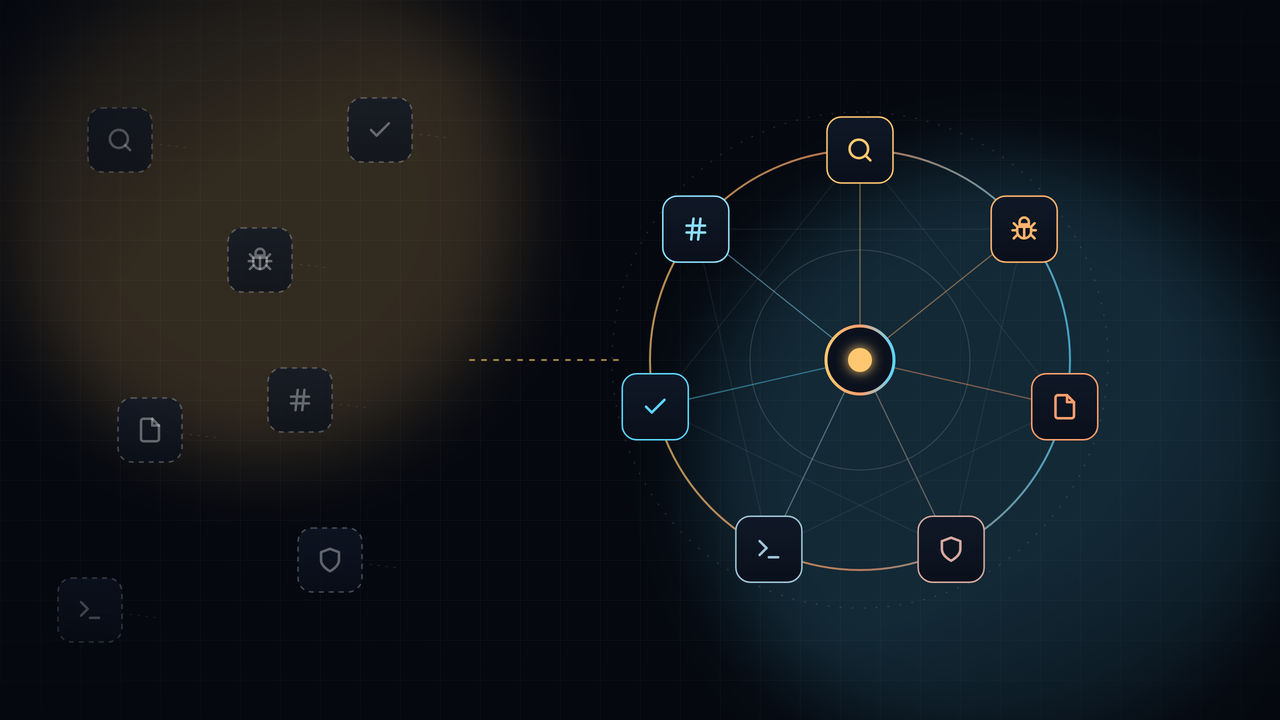
Cybersecurity Has Outgrown the Micro-Specialist
AI is collapsing the boundaries between hacking, investigation, forensics, security and audit. Cyber professionals must now understand the entire attack lifecycle, not merely one fragment of it.

Developers can no longer afford to just build
AI coding tools and vibe coders are making software creation faster, cheaper and increasingly automated. The advantage now belongs to professionals who understand the entire lifecycle.
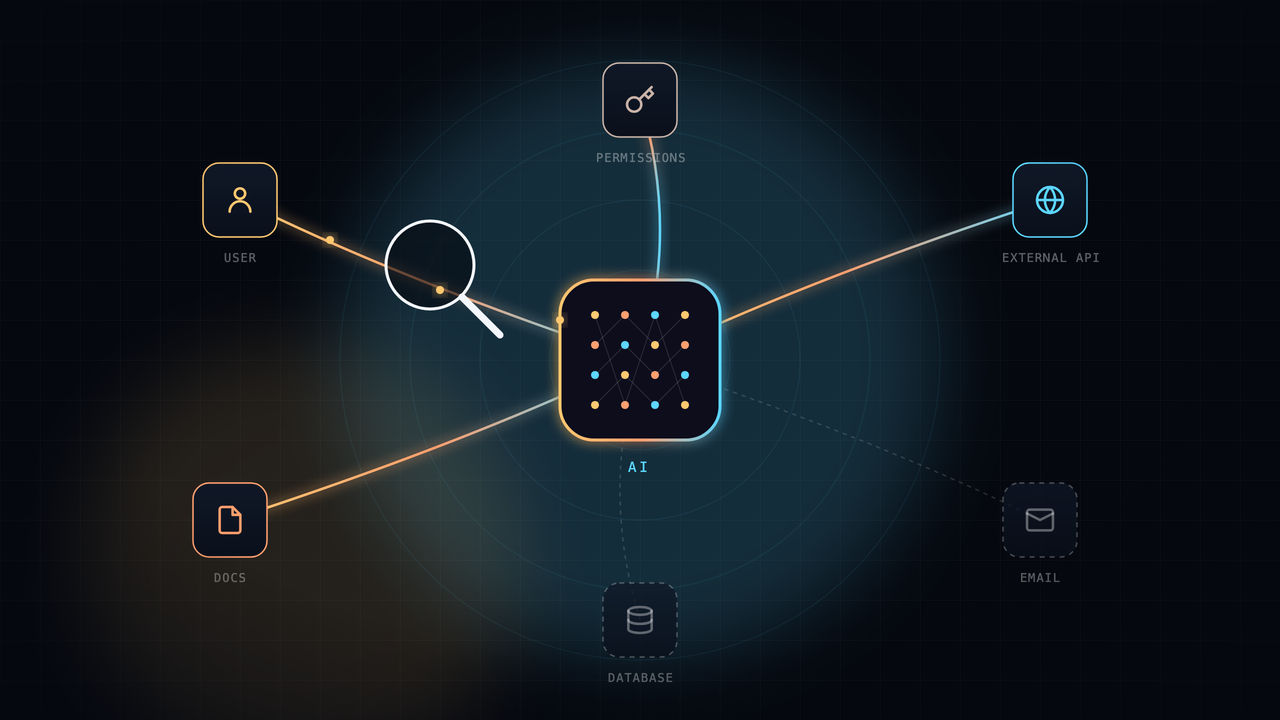
Cybercrime has moved beyond devices. Investigators must move with it
Evidence now sits across servers, cloud platforms, applications, blockchains, identity systems and AI tools.